
QMe
The problem:
Contacting a customer service center is a frustrating process. First, you need to make sure that customer service is even operating now. If not, you need to check exactly when the service is active, put it in your calendar, clear time to call, and then sit and wait for an answer, which can take a very long time.
The need:
To manage the customer service call as easily, effortlessly as possible, and save valuable time.
The solution:
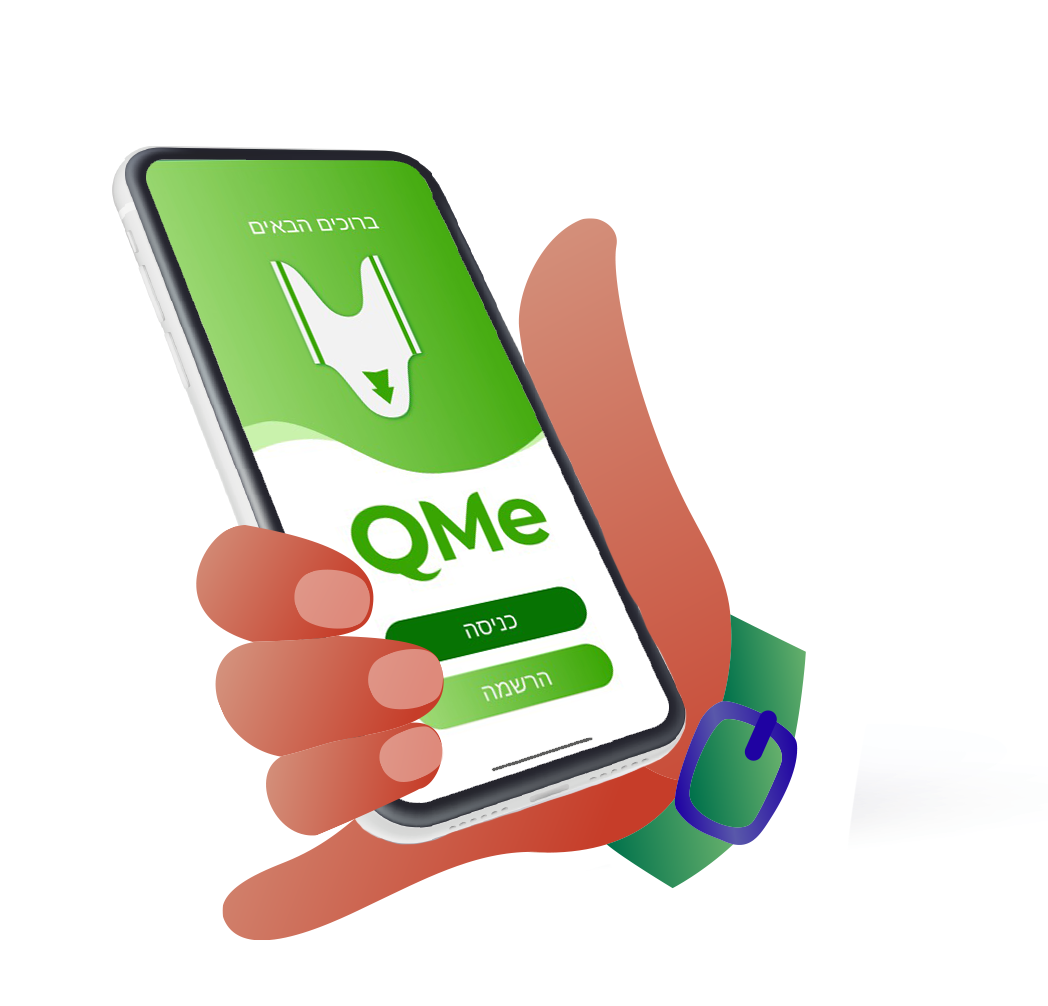
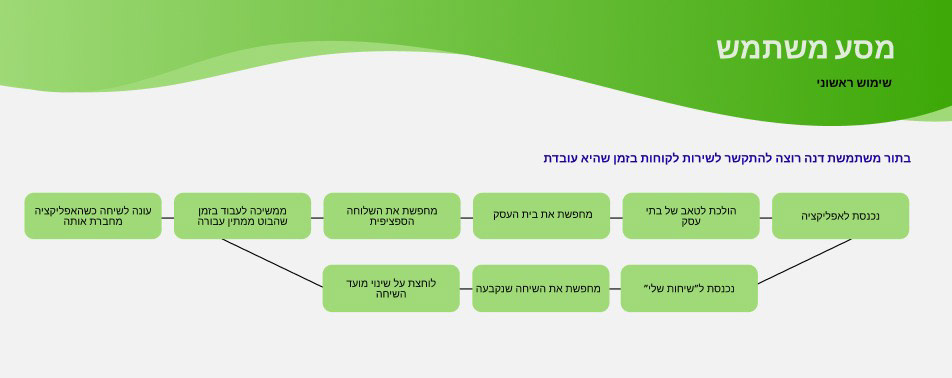
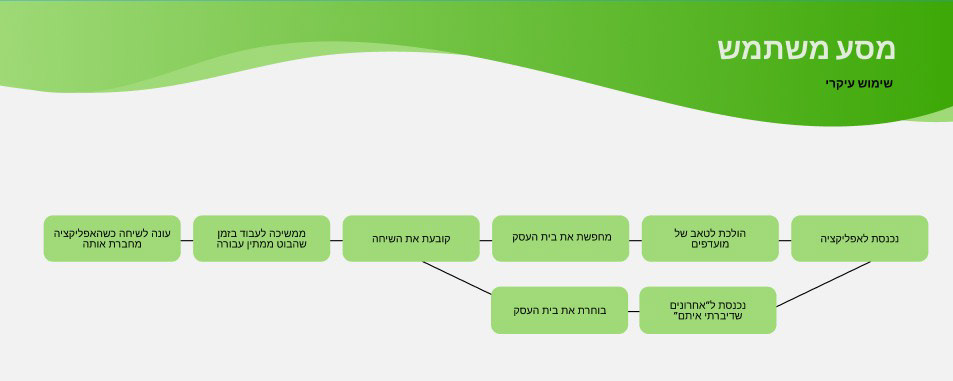
An app that calls on your behalf and connects you only when it's your turn. All you need to do is select the company and the desired extension, and the app will take care of calling during the call center's operating hours and staying on hold until they answer you.
Branding
The name QMe is an abbreviation of 'queue me', which gave our team the inspiration for the queue ticket icon.
Colors
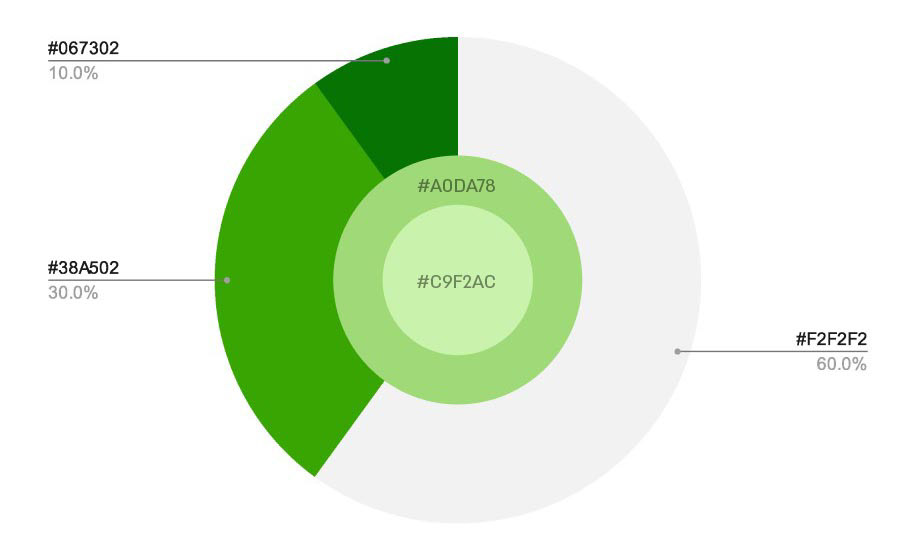
A palette of lively grass greens that convey freshness, relaxation and security and are dominant colors in the world communications apps. The background color is a calm light gray. Two more light shades of green were added for depth and use in gradients.
Positioning map
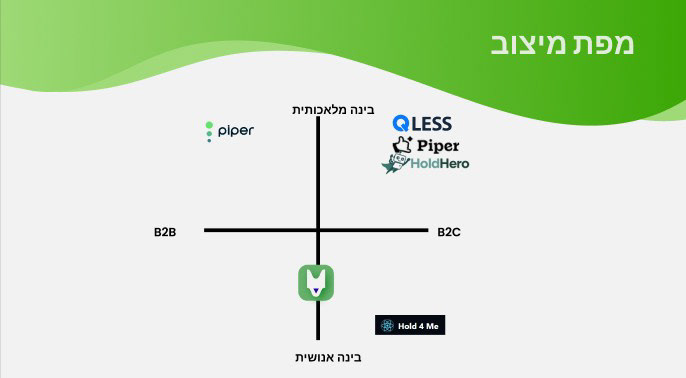
There are a few apps in the market focused on customer service calls. Most of the apps cater to customers (B2C) and their main goal is providing an AI-generated summary of the call, or even completely rely on AI to conduct the conversation from start to finish. Piper caters to businesses (B2B), and again, heavily relies on AI.
QMe lets real people do the talking, and lets AI take care of logistics and paperwork. It syncs with the user's calendar, automatically calls customer service during operating hours, and connects the user only when both they and the CS representative are available to talk. It then saves a voice recording of the phone call, creates a transcript and an AI summary, and saves any additional information, vouchers or papers related to that phone call.
It serves both businesses that need help organizing their customers' phone calls and making their customer service friendlier and more appealing, and to customers who want to save precious time and avoid frustration by letting the app handle the technicalities for them.
Personas
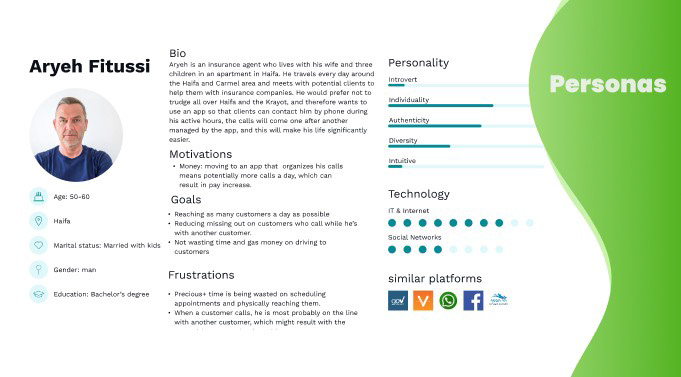
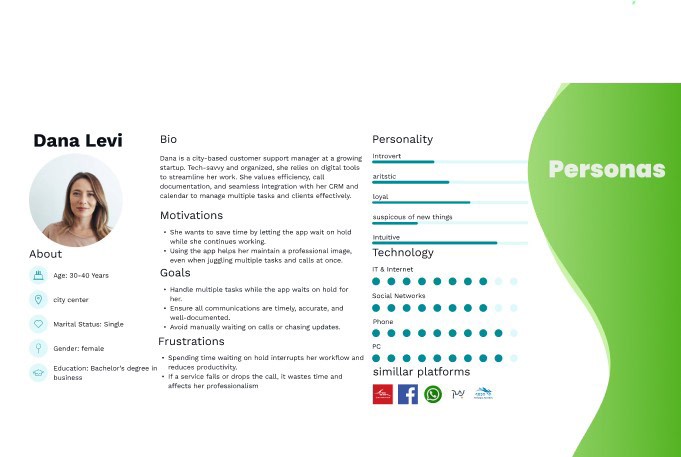
The personas are divided into two categories: casual and pro. The casual users are customers who call customer service centers, like Dana Levi who needs the app so she can focus on the work and not wait on call; Pro users are businesses and business owners, like insurance agent Aryeh Fitussi who could save time, gas money and potentially grow his customer base if he uses the app to streamline his phone calls instead of driving to each customer and meeting with them personally.
Research
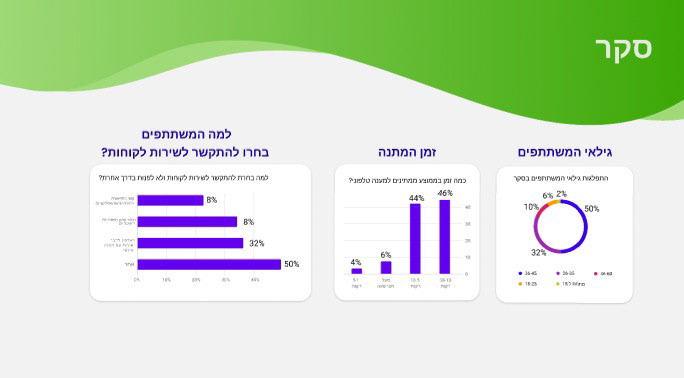
An online questionnaire was spread through Facebook. 50 people completed the questionnaire, which consisted mostly of multiple-answer questions and a few open answer questions.
The vast majority - 82% - was between the ages of 26-45, and claimed to call customer support between once a month (56%) to once a week (24%). They've spent the most time waiting for a representative with insurance companies and pension funds (34.7%), government institutions (28.6%), phone and internet companies (14.3%), and banks (12.2%).
46% of them spend between 10 and 30 minutes on average waiting for an answer, and another 6% spend more than 30 minutes before a representative is available.
All of them showed clear frustration with other methods of customer service and claimed to prefer speaking with a live person because the other options available are insufficient.
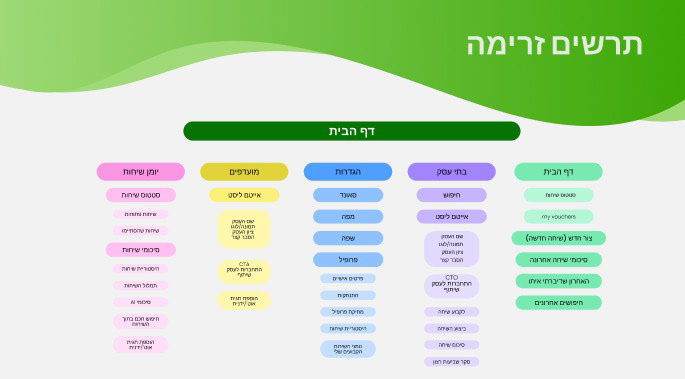
The features that are important for customers to have in the app are the ability to update or change the time range during which the app calls customer service, and also an item list that displays all the additional ways to contact the company's customer service.
Flow chart
UX
UI